Since the Revolutionary War, Americans have been getting revenge on the British by appropriating their culture. A Brit made the first television broadcast in 1925, but since we’d like to think we can claim the medium as our own, it’s only natural that we do everything we can to steal their successful telly programming. Sometimes it works, sometimes it gets lost in translation, but we never stop trying. As we look forward to (or, more accurately, dread) MTV’s remake of the fantastic UK series Skins, which premieres in January, here’s a look at the best and worst American versions of UK TV shows.
The Best
All In The Family
This groundbreaking and brave family sitcom found its roots in equally bold — but ultimately less successful — British sitcom Till Death Do Us Part. In its nine-season run, All In The Family tackled some of the era’s most controversial social issues: racism, the Vietnam War, abortion, and women’s lib were just a few of many previously-taboo topics the show covered. Families related to the very real generational divide it portrayed between a bigoted WWII veteran and his daughter’s radical counterculture boyfriend. Rarely since All In The Family left the air has mainstream television made such serious cultural commentary, and we owe it to the Brits.
Life on Mars
Since great reviews can never compensate for lack of viewership, this remake went the way of so many quirky US TV shows and was canceled after just 17 episodes. The American and UK versions start out exactly the same: a cop in the 21st century gets hit by a car and wakes up living almost exactly the same life, but in 1973. The plots diverged somewhat quickly, with the ending of the American series being an obvious twist (of which the British version’s creator didn’t approve). Critics praised the acting and atmosphere of the show, noting that pulling off such a gimmicky premise so effectively made for great television. They were right, too, and we wish this show had lasted longer.
The Office
Debate continues to rampage about which version of this mockumentary workplace sitcom is superior, but with the seventh season of the American version currently airing on NBC, there’s no doubt the remake has been a huge success. The first episodes were copies of the British version with jokes Americanized for the new audience, but since then the program has distanced itself from the original character patterning and become its own show. The writers did an excellent job of changing some aspects to appeal to American audiences while leaving the essence of the humor intact. If nothing else, we’re quite pleased we can claim Michael Scott as our own.
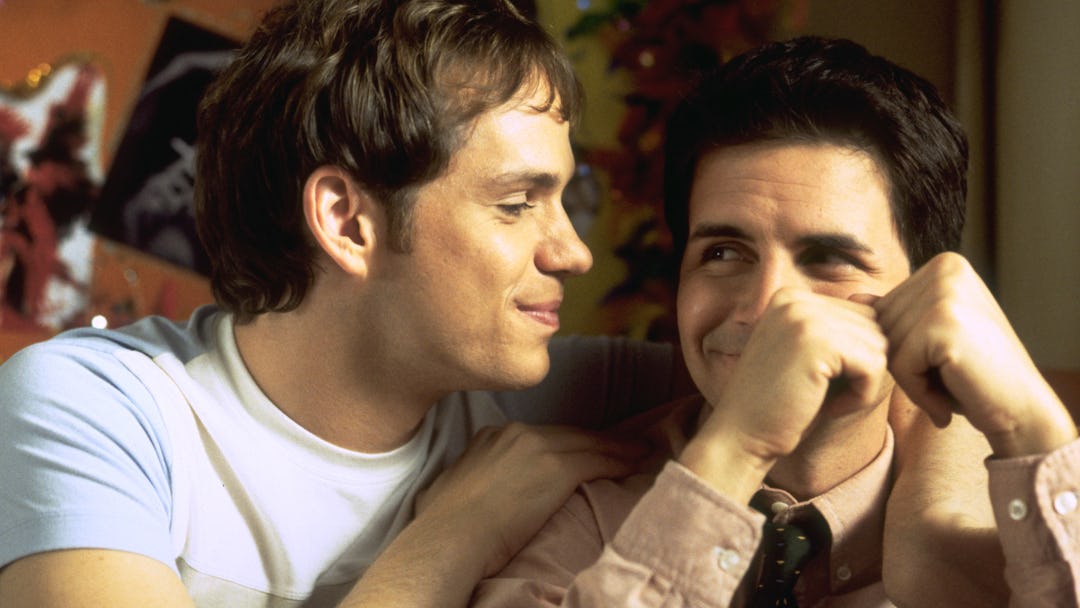
Queer As Folk
Like The Office, the American version of this show continued for much longer than the British one. Where Queer As Folk in the UK focused on a group of outrageously stereotypical gay men, the North American program (Canada broadcast it, too) made the characters a bit more relatable, adding a lesbian couple to its leading cast from the start and eventually going down its own path with new plotlines. The remake was more serious in general — unlike the original, it tackled AIDS, gay adoption, and gay marriage in its episodes instead of focusing solely on its characters’ personal lives. Running from 2000-2005, it became an important show for the LGBTQ community as homosexuality continued to find greater acceptance in the mainstream media.
Three’s Company
Don’t beat yourself up if you didn’t realize this American classic was a UK remake — we were a little surprised, too. Man about the House was successful in Britain, but it didn’t become a blueprint for future shows the way Three’s Company did here. British audiences found the premise somewhat shocking — a man sharing a flat with two women was terribly improper — but in the aftermath of the 1960s, American audiences were more receptive to the idea and found the humor an incisive reflection of the freewheeling 1970s. Most importantly, the show introduced the world to John Ritter, who remained a beacon of American comedy until his sudden death in 2005. Watching Three’s Company now is like being in a time capsule, and we bet they’re mighty jealous across the pond.
The Worst
Cosby
No, we don’t mean The Cosby Show — this lesser-known Bill Cosby TV series was a remake of black comedy One Foot in the Grave. Producers significantly lightened up the humor for American audiences, but the show still inexplicably included some of the most bizarre jokes from the original; in one episode, Cosby incinerated a live turtle. He portrays a curmudgeonly man forced into early retirement, contending with the daily nagging of the modern world and his long-suffering wife’s complaints about his inflexibility. The thoroughly mediocre show ran for 95 episodes, ending in 2000 as Everybody Loves Raymond and The King of Queens finally pushed its antiquated and generally boring humor out of the prime-time spotlight.
Coupling
It’s hard to imagine a show based almost entirely on sex jokes succeeding in America, but in a deeply out-of-touch move, NBC made the mistake of trying it anyway. Instead of the outrageous and totally spot-on humor found in the British version, unwitting American audiences got this bizarre mess. Although the episodes followed exactly the same storylines as the original, terrible acting and poor direction left every joke falling flat. This one probably just got lost in translation, despite its universal appeal. YouTube commenter smallframeted said it well in his remarks on the above video: “Why do the yanks always copy our shit and fuck it up?!?!?!” Amen to that.
Doctor Who
Despite having a premise that allows for a never-ending show — a main character who regenerates instead of dying — the classic Doctor Who television serial was off the air in 1989 after 26 seasons. The solution? A made-for-TV movie introducing the Doctor to America, of course! The film was a collaboration between the BBC and Fox, intended as a backdoor pilot for an American-produced revival of the show. British audiences loved it, since they had grown up watching the original, but it bombed spectacularly in America. Since then the show has made a comeback with a successful reboot in Britain, but we doubt it will ever come stateside again outside of BBC America broadcasts. It’s just too darn British.
Payne
In a seriously misguided move, CBS decided in 1999 to adapt Fawlty Towers, the classic UK sitcom starring John Cleese as a bumbling hotel owner. Payne featured John Larroquette (the DA from Night Court) as an obsessively competitive motel boss in central California and failed spectacularly with viewers. Fawlty Towers existed to put John Cleese back on television after Monty Python endedr, and there’s not a single person in the world — and certainly not one in America — who could possibly fill his legendary shoes. CBS canceled Payne (already a mid-season replacement) after just eight episodes, likely disappointing no one.
Viva Laughlin
America has made few good small-screen musicals since the 1950s, so it’s no wonder this lip-sync-heavy remake of hit British miniseries Blackpool only lasted two episodes. The premise isn’t particularly strange on its own — a cash-strapped casino owner in Laughlin, Nevada gets accidentally caught up in a murder plot — but the execution was horrifying. Poor casting choices, bad acting, and a strangely-adapted plot left audiences and critics alike confused and uninterested. The New York Times had this to say in its review: “Viva Laughlin on CBS may well be the worst new show of the season, but is it the worst show in the history of television?” It may well have been.